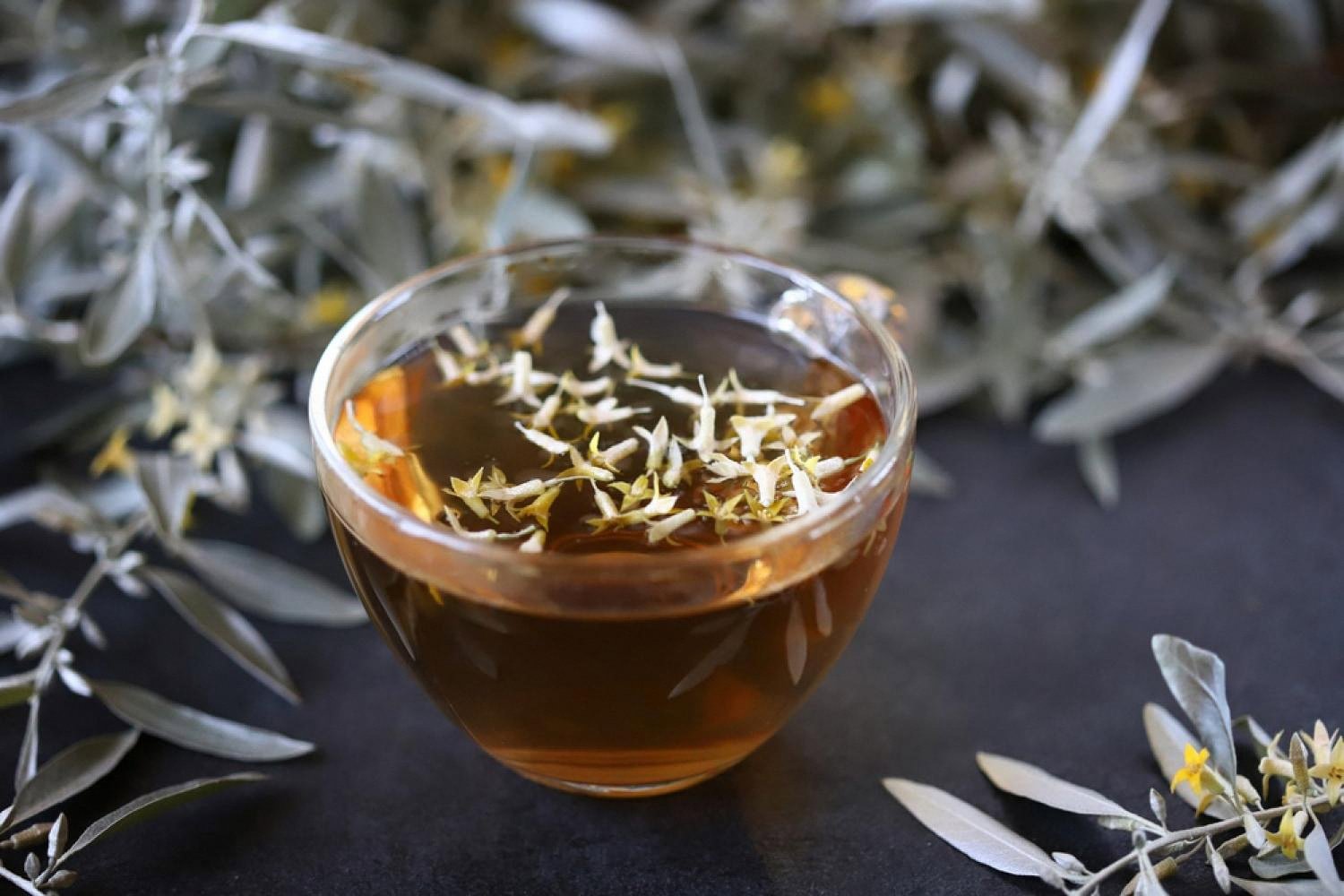
Tea and Water: Why the Water You Use Can Change the Taste of Your Tea
A friend in Jumeirah once complained that his favourite Da Hong Pao tasted completely different at home than it did at the shop where he bought it. Same tin, same weight, same gaiwan, same three-minute steep. He blamed the leaves. He blamed the shop. He blamed himself. What he had not thought to blame was the water coming out of his tap, a mix of desalinated seawater and blended supply that behaves nothing like the soft spring water the tea was originally designed for. One switch to filtered water and the cup he remembered came back on the first pour.
That story is not unusual in the UAE. Water in Dubai, Abu Dhabi and Sharjah goes through a serious industrial journey before it reaches your kettle, and every step leaves a fingerprint on your tea. If you have been buying good leaf and getting mediocre cups, the fix is often not the tea. It is the liquid you are pouring over it.
Why the water matters more than the leaf
A cup of tea is roughly 99% water and 1% dissolved solids from the leaf. That ratio alone should end the argument, but it rarely does. Most of us obsess over grams, temperature and steep time while treating water as a neutral background. It is not neutral. Water is the solvent, and what it already carries in solution decides how much flavour it can pull out of the leaf and how that flavour lands on the tongue.
Water chemistry sits on three variables that matter for brewing: mineral content (mostly calcium and magnesium, measured as hardness), alkalinity (bicarbonates that buffer acidity), and pH. Soft water with low mineral content extracts aromatic compounds cleanly and lets delicate teas breathe. Hard water, common in much of the Gulf’s blended supply, mutes top notes and can push tannins forward, producing that dull, chalky cup that tastes vaguely of nothing. According to the World Health Organization’s guidelines on drinking water mineral composition varies enormously between regions, which is precisely why the same tea travels badly between kitchens.
Add chlorine, which UAE utilities use for safe distribution, and the picture gets worse. Chlorine binds with the volatile aromatics in tea and knocks them flat. You can smell it in the empty kettle if you pay attention. This is why so many people in Dubai who buy quality Chinese leaf, say from a good Chinese tea shop in Dubai still end up disappointed until they change how they treat their water.
Tap, filter or bottle: what actually changes in the cup
Straight tap water in most UAE homes is safe to drink, but for tea it is a compromise. The chlorine dulls aromatics. The residual minerals from blended supply can leave a film on the surface of the cup, that thin oily-looking slick you sometimes see on black tea. Repeatedly reheating the same water in the kettle strips out dissolved oxygen, which flattens the brew further. A stale kettle produces a stale cup, every time.
A basic carbon filter, the kind that fits in a jug, removes most of the chlorine and softens the harsher edges of the mineral load. This is usually the biggest single upgrade you can make, and it costs less than a good tin of oolong. Bottled water is a mixed bag. Very low mineral bottled waters (the ones marketed as light or for infants) work beautifully with green tea and delicate whites. Heavily mineralised waters, popular in the region for their taste when drunk cold, will bulldoze the same teas and turn them bitter or metallic. Distilled water, on the other end, is too empty: without any minerals to act as flavour carriers, tea brewed in it tastes hollow and washed out.
The general rule most specialty brewers follow, echoed by the Specialty Coffee Association’s water research (the principles carry over to tea), is a total dissolved solids reading in the 50 to 150 ppm range, with a gentle mineral profile. You do not need a meter to get there. Filtered tap water, freshly drawn and freshly boiled, is close enough for almost every tea in your cupboard.
Temperature, tea type and the mistakes that cost you flavour
Water is only half the story. Temperature does the rest. Boiling water at 100 C is right for black tea and most herbal infusions, but it scalds green and white tea, releasing bitterness and destroying the sweet vegetal notes. Green tea generally wants 70 to 80 C. White tea likes 75 to 85 C. Oolong varies by style: greener oolongs around 85 C, darker roasted ones closer to 95 C. Herbal blends and rooibos are forgiving and want a full boil to open up.
If your tea tastes bitter, flat, astringent or oddly metallic, run through this checklist before you blame the leaf. Was the water fresh, or had it been sitting in the kettle for hours? Was it reboiled? Was it heavily mineralised bottled water? Was the temperature matched to the tea? Nine times out of ten, the answer is in one of those four questions. It is why a well-sourced classic black leaf, the kind you might buy classic tea online in Dubai can still underwhelm if the water is wrong for it.
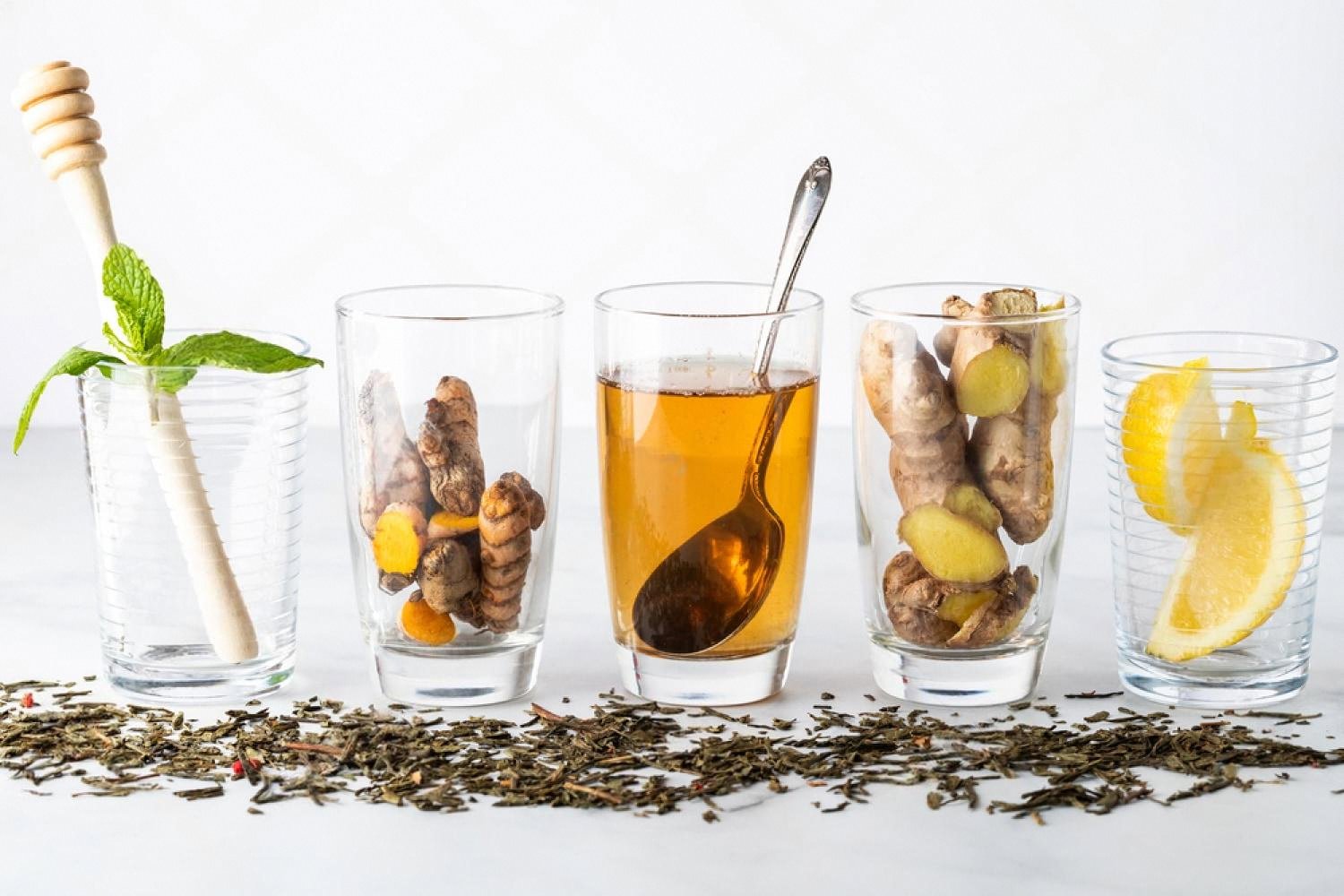
A practical checklist for better tea water at home
Filter your tap water
A jug filter with a fresh cartridge removes chlorine and softens the mineral edge. Change the cartridge on schedule, an old filter is worse than no filter.
Draw fresh, boil once
Never reboil. Empty the kettle each session, fill with cold filtered water, and heat only what you need. Dissolved oxygen is part of the flavour.
Match temperature to leaf
Green and white below 85 C. Oolong 85 to 95 C. Black and herbal at full boil. A variable kettle is the second best purchase after a filter.
Run the home test
Brew the same tea three ways: tap, filtered, and a low-mineral bottled water. Taste side by side. The difference will end the debate faster than any article.
The takeaway
Good tea does not fail on its own. It fails in bad water, in tired kettles, at the wrong temperature. Once you treat the water as part of the recipe, everything else you have already bought (the leaf, the pot, the timer) starts doing what it was supposed to do. Fresh, filtered, once-boiled, temperature-matched. Four small habits, and the cup you thought your favourite tea should taste like finally shows up.
Frequently asked questions
Is Dubai tap water safe to make tea with?
Yes, tap water in the UAE meets drinking water safety standards and is fine to boil for tea. The issue is not safety, it is flavour. Residual chlorine used for distribution and the mineral profile of blended desalinated supply can dull aromatics and mute delicate teas. A simple carbon jug filter fixes most of it.
Should I use bottled water for tea in the UAE?
It depends on the bottle. Low-mineral bottled waters (sometimes labelled light or suitable for infants) work well, especially for green and white teas. Heavily mineralised waters, common in the region, tend to flatten delicate leaves and can make black tea taste chalky.
For most home brewers, filtered tap water is cheaper, greener and gives similar or better results than bottled.
Why does my tea taste bitter even when I follow the steep time?
Bitterness usually comes from one of three sources: water that is too hot for the tea (very common with green tea), reboiled or stale water in the kettle, or over-mineralised water that pushes tannin extraction. Try dropping the temperature by 10 to 15 degrees for green and white teas, and always start with fresh water.
Can I use distilled or reverse osmosis water?
Pure distilled water is not ideal on its own. Without any minerals to act as flavour carriers, tea brewed in it tastes hollow and one-dimensional. Reverse osmosis water usually retains a small mineral trace and performs better, but a light filter or a splash of mineral water added back is a common trick among specialty brewers.
Does reboiling water really change the taste?
Yes, and it is noticeable once you compare side by side. Reboiling drives off dissolved oxygen and concentrates any minerals or off-flavours already in the kettle. The resulting cup tastes flat and slightly stale. Empty the kettle, refill with cold filtered water and boil once for each brewing session.
What temperature should I use for different teas?
Green tea: 70 to 80 C. White tea: 75 to 85 C. Green oolong: around 85 C. Roasted or dark oolong: 90 to 95 C. Black tea, pu-erh and herbal infusions: full boil, around 95 to 100 C. A variable temperature kettle removes the guesswork and pays for itself in flavour.
How do I test whether my water is the problem?
Run a simple three-way tasting. Brew the same tea, same grams, same time, three times: once with straight tap water, once with jug-filtered water, and once with a low-mineral bottled water. Taste them side by side while still warm. The differences are usually obvious within the first sip and will tell you exactly which water your tea prefers.
